The Tiffany Plate trend has gone viral for its colorful, pretty mix of fruits, vegetables, and cottage cheese, but is it truly healthy or just a fad?
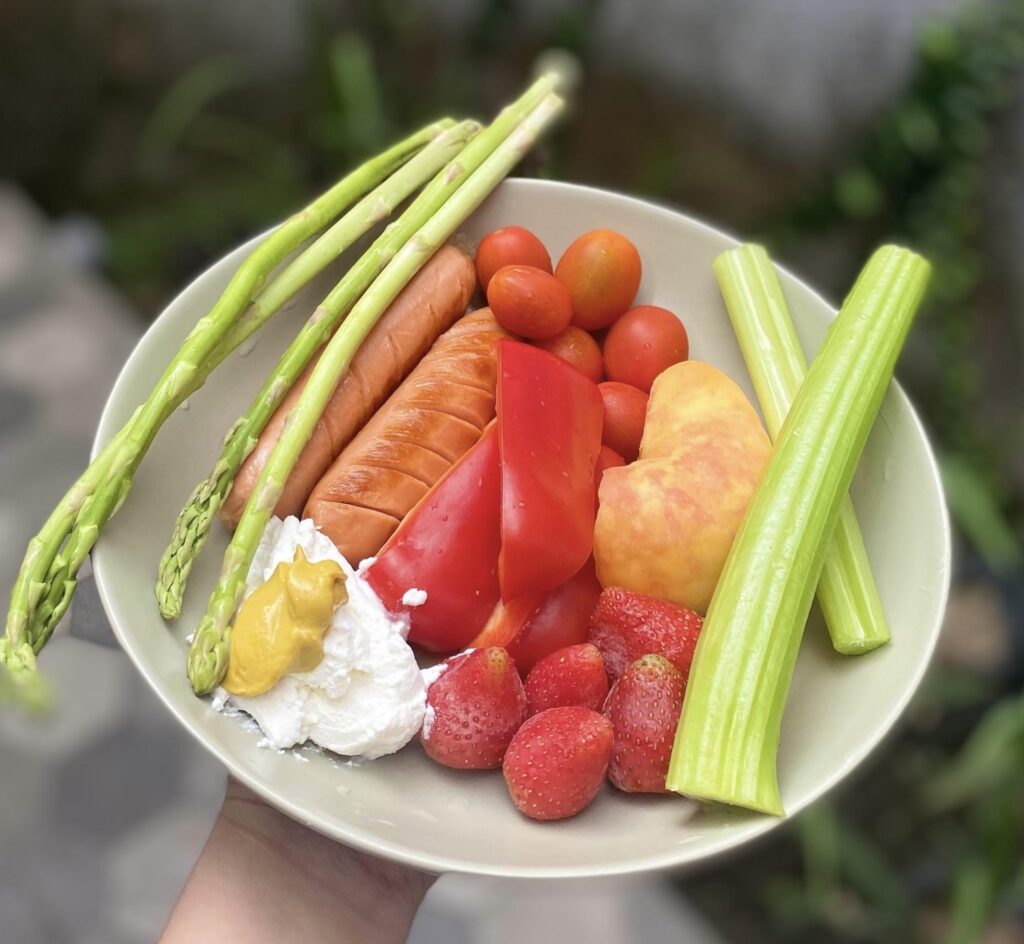
The Tiffany’s Plate trend has taken social media by storm, with many young people and influencers praising it as a simple and healthy way to eat. Featuring colourful fruits, vegetables, cottage cheese, and a chicken sausage, this “pretty plate” promises benefits from weight loss to glowing skin. But is it truly a balanced meal or just another trend? In this interview, Dr Chan Kai Sze, a nutritionist, will be sharing his insights to evaluate this diet trend.
1Twenty80: Why do you think this trend gained popularity among young people and influencers?
Dr Chan: I think this trend became popular among young people because it promotes a healthy lifestyle — encouraging them to eat more fruits and vegetables. Many influencers also share how this way of eating helps them stay fit or lose weight, which attracts their followers. So the combination of health benefits and influencer promotion makes it appealing to the younger generation.
1Twenty80: How would you formally assess the nutrient balance of the Tiffany’s Plate?
Dr Chan: Looking at the ingredients, the Tiffany’s Plate diet emphasises a high intake of fruits and vegetables, along with some protein sources such as dairy (cream cheese) and chicken sausage. However, it lacks carbohydrate sources, making it less nutritionally balanced. I wouldn’t consider it a complete meal, as it resembles more of a salad bowl rather than a well-rounded dish, especially with the addition of cottage cheese and mustard as dipping condiments. Furthermore, this diet may not be suitable for Malaysians, as our meals typically rely on staple foods like rice or flour, which could make it more difficult to adopt or sustain in the long term.
1Twenty80: Some claim this plate is anti-inflammatory. Based on the ingredients, is that accurate?
Dr Chan: Some people claim that Tiffany’s Plate is “anti-inflammatory,” but that’s not entirely accurate. This claim likely stems from the plate’s focus on fruits and vegetables, which are known to be rich in antioxidants and naturally contain anti-inflammatory properties. These ingredients can indeed support the body’s ability to reduce inflammation.
However, other components of the meal, such as the chicken sausage and cheese, can affect how “anti-inflammatory” the plate truly is. For instance, processed sausages—especially those commonly found in supermarkets—often contain preservatives and additives that may actually promote inflammation in the body. Therefore, whether this meal can be considered anti-inflammatory really depends on the quality and type of ingredients chosen.
1Twenty80: What are the potential benefits of this Tiffany’s Plate diet for satiety and weight loss?
Dr Chan: The Tiffany’s Plate diet emphasises a high intake of fruits and vegetables, which naturally provide both soluble and insoluble fibre. This type of diet can promote a feeling of fullness, or satiety, helping to reduce overeating. In addition, the high fibre content supports healthy digestion and helps prevent constipation. Since fruits and vegetables are rich in nutrients yet low in calories, they can help individuals achieve a calorie deficit—a key factor in weight loss—by naturally reducing the intake of higher-calorie foods like rice or meat. However, it’s worth noting that Tiffany’s Plate resembles more of a salad bowl than a complete meal. While it offers the benefit of high fruit and vegetable consumption, it may lack the balance of nutrients typically found in a well-rounded diet.
1Twenty80: Could this diet help with weight loss or skin health as claimed online?
Dr Chan: When it comes to skin health, the main benefits of the Tiffany’s Plate diet come from its high fruit and vegetable content. These ingredients are rich in antioxidants and vitamins, particularly vitamin C, which plays a vital role in promoting healthy and glowing skin. Including more vitamin C–rich fruits such as oranges, lemons, or other citrus options can help enhance the diet’s skin-boosting potential. In this meal plan, cottage cheese serves as the primary source of protein, complementing the antioxidant benefits of the fruits and vegetables.
Furthermore, the Tiffany’s Plate concept is quite similar to a calorie deficit diet, which can lead to quick weight loss at the beginning. However, over time, your weight may reach a plateau as your body adapts to the lower calorie intake. To overcome this, incorporating regular exercise is crucial. Physical activity helps increase energy expenditure, leading to better and more sustainable weight loss results compared to dieting alone.

1Twenty80: Will there be any effects on people with lactose intolerance or inflammatory bowel disease (IBD)?
Dr Chan: Many individuals with IBD often have difficulty tolerating dairy products. Consuming dairy can worsen their symptoms — causing bloating, discomfort, or flare-ups. This is one of the key concerns when it comes to following the Tiffany’s Plate concept. If someone with IBD wishes to adopt this diet, it’s important to replace cottage cheese or other dairy-based ingredients with suitable alternatives.
Cottage cheese is typically included for its flavour, protein, and calcium content. However, these nutrients can still be obtained from non-dairy sources. Good substitutes include tofu, tempeh, or even soy milk, all of which provide a comparable amount of calcium and protein, while being gentler on the digestive system.
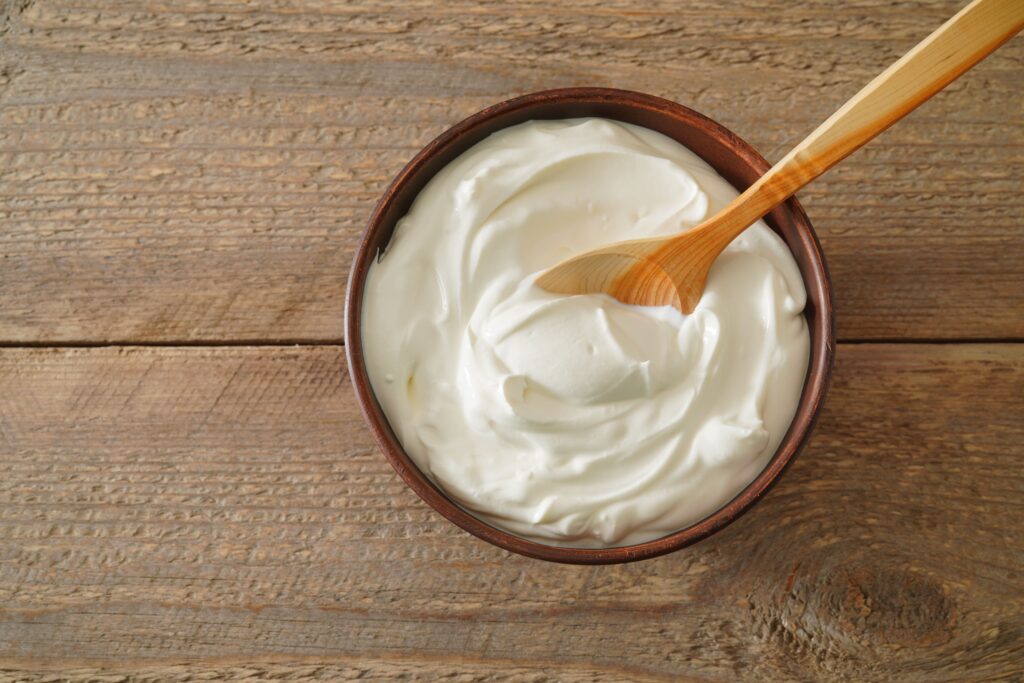
Alternatively, you can also use yoghurt to replace the cottage cheese dipping, because the lactose content in yoghurt is lower than cottage cheese. Furthermore, the live bacteria in yoghurt actively help to break down the remaining lactose in the yoghurt, which is why it’s often much better tolerated by individuals with lactose sensitivity. However, individuals with IBD should exercise caution, as their condition may cause them to experience more pronounced or severe symptoms.
1Twenty80: Are there any nutritional imbalances in this diet that people should be aware of?
Dr Chan: Carbohydrates are missing from this diet. Carbohydrates are our main source of energy and are essential for helping the body break down and digest the food we consume. Without them, the body may struggle with digestion, leading to the conversion of food into fat, which then will be stored in the body. The protein content in Tiffany’s Diet is also relatively low, as those following it only consume one chicken sausage and some cottage cheese. This can result in low energy levels and cause fatigue more easily.
1Twenty80: How can people modify Tiffany’s Plate to make it healthier and more sustainable?
Dr Chan:
- Malaysians can adjust their plate by adding carbohydrates like bread or rice for a more balanced meal.
- Applying the ‘Suku Suku Separuh’ method is also a good approach to maintain proper nutrition.
- Regular exercise helps boost your energy expenditure, making weight loss more effective and sustainable compared to relying on diet alone.
- For individuals that cannot tolerate lactose, it’s best to replace cottage cheese with yoghurt as a dipping option. Yoghurt is generally easier to digest and can provide similar creaminess without triggering digestive discomfort.
- People with IBD should take caution when practising this diet, as their condition may cause them to experience more severe symptoms.
Join our 1Twenty80 Broadcast Channel today! Be the first to receive interview updates, behind-the-scenes snippets and happenings in Malaysia’s health scene!