Once overlooked and misunderstood, menopause is finally entering the spotlight. In this conversation with a menopause advocate, we explore her personal journey, debunk common misconceptions, and discuss how open dialogue can change lives.
1Twenty80: What first sparked your passion for menopause advocacy, and what was the moment you decided to dedicate yourself to this cause?
Karen Tan: My journey into menopause advocacy began after a hysterectomy in 2019, a surgery I underwent due to cancer risk. While the procedure saved my life, I was never told what would follow. Aside from being warned about possible weight gain, I received no information about the physical or emotional changes ahead.
Within months, my health declined rapidly. I experienced hair loss, severe joint pain, inflamed skin, insomnia, and intense anxiety. Sleep became nearly impossible, and I found myself waking up around 3 AM every night in a state of panic. When the COVID-19 pandemic hit, the isolation and stress intensified my symptoms, eventually leading to a deep depression.
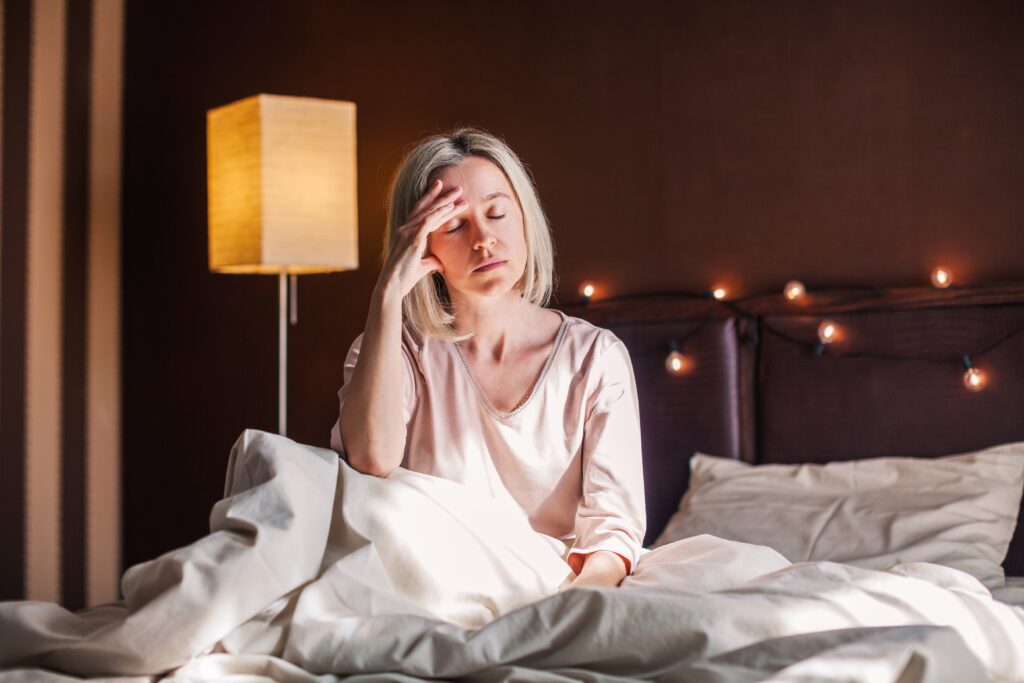
The turning point came when I realised how close I was to losing myself completely. With the support of my husband, I began searching for answers — only to find that most menopause support groups were based overseas. In Malaysia, the topic was rarely discussed, and many women suffered in silence due to stigma surrounding menopause and mental health.
That silence is what pushed me to speak up. Menopause affects all women, including Asians, yet our stories are often overlooked. Through advocacy, I hope to encourage women—especially the younger generation—to listen to their bodies and to advocate for themselves and for their mothers. Menopause is not something to be endured quietly; it is something we need to talk about openly.
1Twenty80: What is the biggest misconception about menopause, and how are you working to change that narrative?
Karen Tan: One of the biggest misconceptions about menopause is that it marks the end of a woman’s life—that growing older means losing relevance and simply resigning to decline. I strongly disagree. Through my own journey, I’ve come to see this stage as one of the most empowering periods of my life.
Turning 50 has given me a new perspective. By this age, many women know themselves better and feel less pressure to meet societal expectations. There’s no longer a need to chase trends, compare ourselves to others, or live up to external standards. Instead, there is a sense of confidence and freedom that comes with self-acceptance.
Menopause, for me, is not about loss — it’s about liberation. It’s a time when women can finally say, “I’m comfortable with who I am and where I am,” and answer only to themselves. That’s the narrative I hope to change by encouraging women to view menopause not as an ending, but as a powerful new beginning.
1Twenty80: What advice would you give to women struggling with symptoms that disrupt their daily lives?
Karen Tan: Many women experience symptoms such as poor sleep, hair loss, dry skin, joint pain, low energy, mood swings, and vaginal dryness, yet often don’t realise these changes are connected to menopause. These symptoms can make women feel unlike themselves, both physically and emotionally. The most important thing to know is that this experience is normal, and these women are not alone.
Small lifestyle changes can make a big difference. Improving diet, managing stress, getting daily sunlight, and staying active help support hormone balance. When estrogen levels drop, stress hormones rise, which can lead to fatigue, cravings, weight gain, and irritability. This is why menopause care is not about a single solution, but a combination of healthy habits, supplements, and, when needed, medical support such as hormone therapy.
Most importantly, menopause affects long-term health, increasing the risk of heart disease and bone loss. Younger women are encouraged to learn about menopause and support their mothers, as understanding and early action can greatly improve quality of life.
1Twenty80: For women who are just starting to experience perimenopausal symptoms, what are the first three lifestyle adjustments you would recommend they explore before considering medical intervention?
Karen Tan:
- Spend time outdoors every day
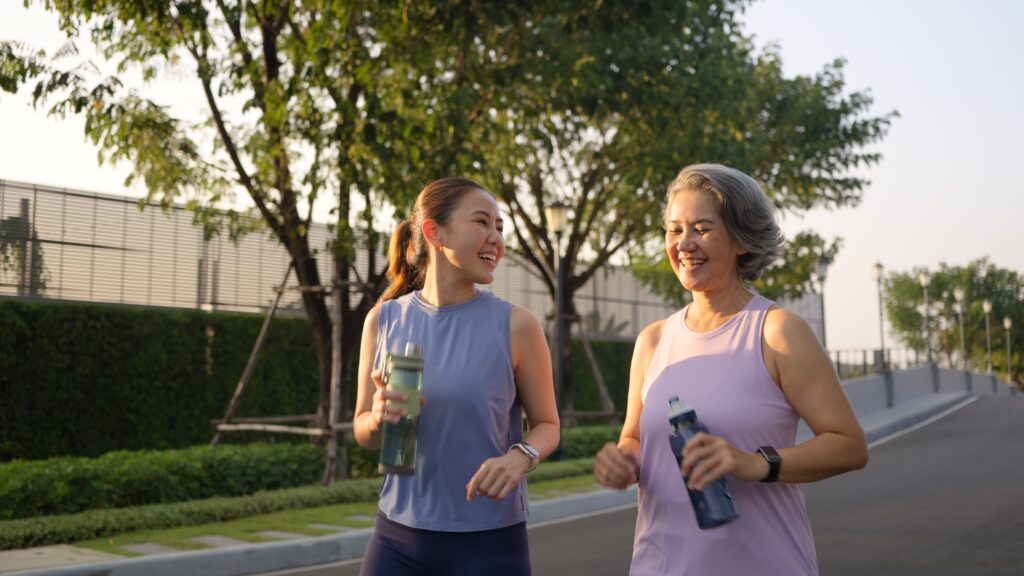
A simple 15–20 minute walk in the morning sun helps regulate hormones, improve mood, and support overall wellbeing — and it doesn’t cost anything.
- Focus on calming the mind
Women often multitask and put everyone else first, which leads to constant stress. Simple practices like stretching, deep breathing, or taking quiet moments for yourself can help reduce stress and balance the body.

- Prioritise self-care without guilt
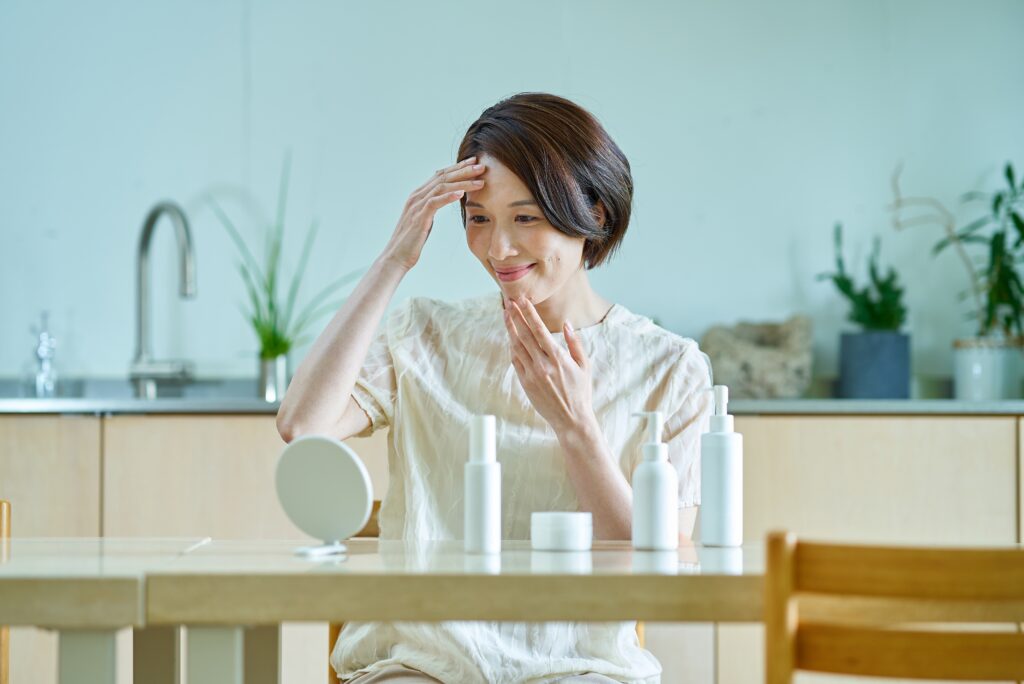
Many women ignore their own health while caring for their families, but taking care of yourself allows you to show up better for those around you. When women are physically and mentally well, the whole family benefits.
1Twenty80: What has been the most rewarding part of your work?
Karen Tan: The most rewarding part is seeing real change in women’s lives.
When women reach out to say they feel better, are taking small steps to improve their health, or are slowly regaining confidence, it reminds me why this work matters.
I am especially motivated by the hope of preventing other women from experiencing the deep depression I went through. I also want to see more open conversations about menopause in the workplace. When companies support their female workforce, they retain experienced talent, improve wellbeing, and increase productivity. Supporting women through menopause benefits not just individuals, but families and organisations as a whole.
1Twenty80: What do you hope more women—and society—understand about menopause in the future?
Karen Tan: I hope people understand that menopause is not a one-size-fits-all experience. What works for one woman may not work for another, and that’s okay. The key is to keep exploring safe options and to listen closely to your body.
I often compare it to a car dashboard: when the warning lights start flashing, we don’t ignore them. We stop, check what’s wrong, and seek help. Our bodies deserve the same attention.
Our bodies are constantly sending us signals. Symptoms like hair loss, dry skin, fatigue, poor sleep, anxiety, or vaginal dryness are not random — they are warning signs. Prevention is especially important as we age. Healthy eating, regular movement, strength training, and stress management play a huge role in long-term wellbeing. The earlier women start paying attention to these habits, the better their quality of life will be.
Most importantly, I hope women know they don’t have to suffer in silence. Menopause should be talked about openly, and no woman should feel ashamed or alone while going through it.
1Twenty80: How important is community and connection during menopause?
Karen Tan: Community is incredibly important—I would say it makes up about 90% of the healing process. While partners, family members, and friends may be supportive, they often don’t fully understand what menopause feels like because they aren’t experiencing it themselves.
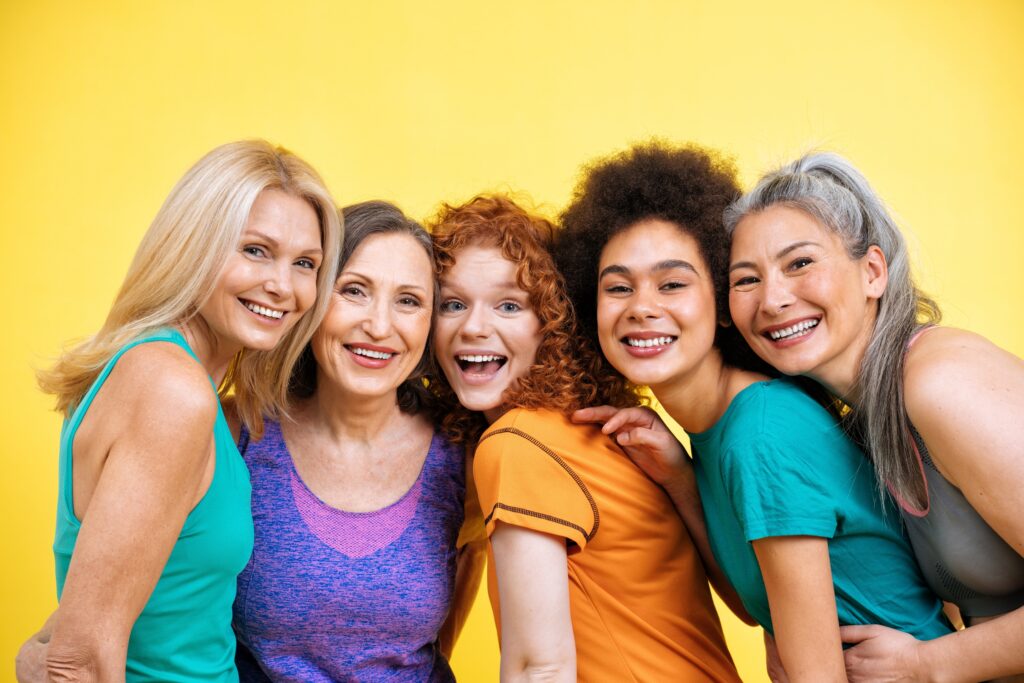
That’s why connection with other women going through the same journey matters so much. In a supportive community, women can openly share how they’re feeling without being judged or dismissed. Instead of being told to “snap out of it,” they are met with understanding, reassurance, and empathy.
Knowing that you are not alone—and having someone who truly understands—can make a huge difference. Sometimes, that support is as simple as a message saying, “I’ve been there too,” or an invitation for a coffee. These moments of connection remind women that what they’re feeling is real, valid, and shared.
1Twenty80: What message would you like to share with women who feel alone or overwhelmed?
Karen Tan: I want women to know that help is available—and that they are being heard. We may not have all the answers, but we are constantly learning and improving. Most importantly, don’t give up. Menopause is not the end of life; for many women, it is just the beginning of a new chapter. There is still so much life to live.
1Twenty80: Finally, how can people get involved or support the work you and other menopause advocates are doing?
Karen Tan: Support can start with awareness. Companies can invite advocates to speak at workplaces to help educate and support their female employees. On a personal level, if you notice a mother, wife, friend, or colleague struggling, guide her to a trusted menopause community or advocate. With the right support and guidance, women can better understand what they’re going through — and no one has to face it alone.