Unpacking how extended care helps patients rebuild skills, confidence, and independence, so they can continue living fully after serious health events
Extended care is often misunderstood, or even unheard of, but it plays a crucial role in transitioning patients safely from hospital to home. After an acute hospital stay, patients may have their immediate medical needs addressed, but they often face lingering challenges: weakness, mobility issues, or neurological deficits that make everyday tasks difficult. Extended care facilities step in here, offering tailored rehabilitation and hands-on guidance to ensure patients can function safely at home.
The objective is to equip patients and families with the skills, support, and confidence they need to navigate life after a serious health event. It covers everything from picking the right walking aid to preventing falls at home—practical support that acute hospitals often can’t fully provide. To further explore this topic, we spoke with Bavani Thavarajah, CEO of Columbia Asia Extended Care Shah Alam, who was a trained therapist until January 2025.
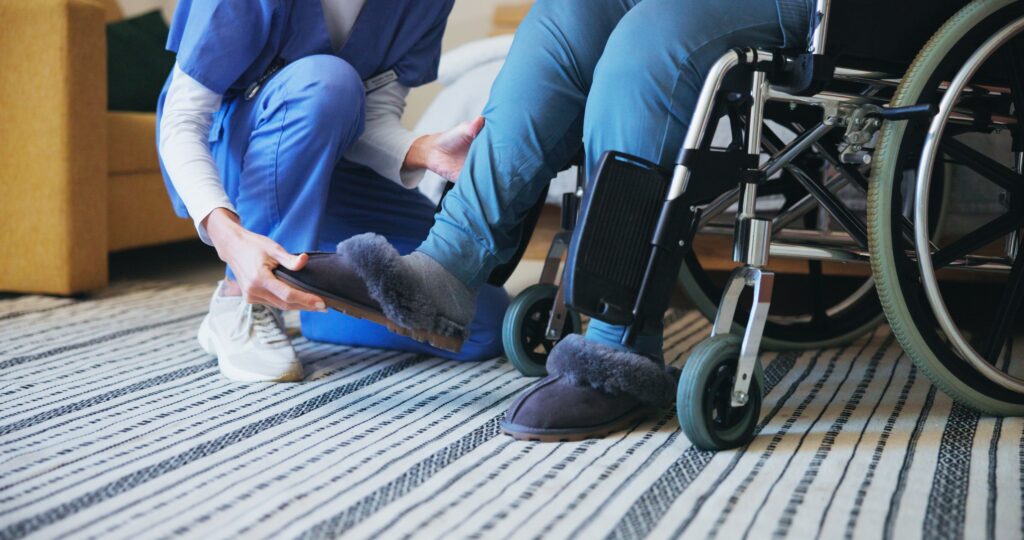
What Is Extended Care and Who Is It Meant For?
According to Bavani, extended care is essentially a sub-acute facility. “The difference between acute hospitals and sub-acute hospitals is that acute hospitals focus on diagnosing and treating immediate problems,” she explains. “Once the medical issue is addressed, residual effects remain—general weakness, cognitive changes, neurological deficits. That’s where extended care comes in.”
She continues, “Even something seemingly simple, like a fractured ankle, can make returning home or to work difficult. Patients need to learn how to move safely, use the right equipment, and regain independence. Everyone is different, so we allow patients to try a variety of aids until they find what works best for them.”
Bavani emphasizes that recovery isn’t just about the patient. “The biggest question is, who can provide care at home? How much care will they need? Is the home environment suitable for equipment like hoists or hospital beds? Extended care helps with these, ensuring patients can safely navigate daily life without putting themselves at risk.”
She notes that acute hospitals can identify some of these risks, but time and patient turnover limit what they can do. “If red flags appear—risk of falls, dizziness—they need guidance on how to manage them at home. That’s the role of extended care: bridging the gap, offering hands-on rehabilitation, and preparing both patients and families for life after discharge.”

Who Are Extended Care Patients?
Extended care facilities serve patients of all ages, starting from as young as 16, who have experienced accidents, strokes, or other neurological or orthopedic events. Bavani explains, “By the time patients reach us, the acute medical emergency has been addressed. Now, it’s about regaining independence—learning to eat, talk, sit, stand, or walk—skills we often take for granted until we can’t do them.”
She emphasises that strokes and similar conditions are no longer just an elderly concern. “Early rehabilitation is critical, especially for neurological cases. The optimal recovery window is typically three to six months. Maximising progress during this time can shape a patient’s entire life trajectory. Some may return to their previous path, while others may need to take new directions. Without proper rehab, these options shrink significantly.”
For younger patients, the stakes are high—for the patient, family dynamics as well as caregiver wellbeing. “Structured rehab helps them regain independence,” says Bavani. “It gives them better choices and more control over their future.”
How Care Differs in Extended Care
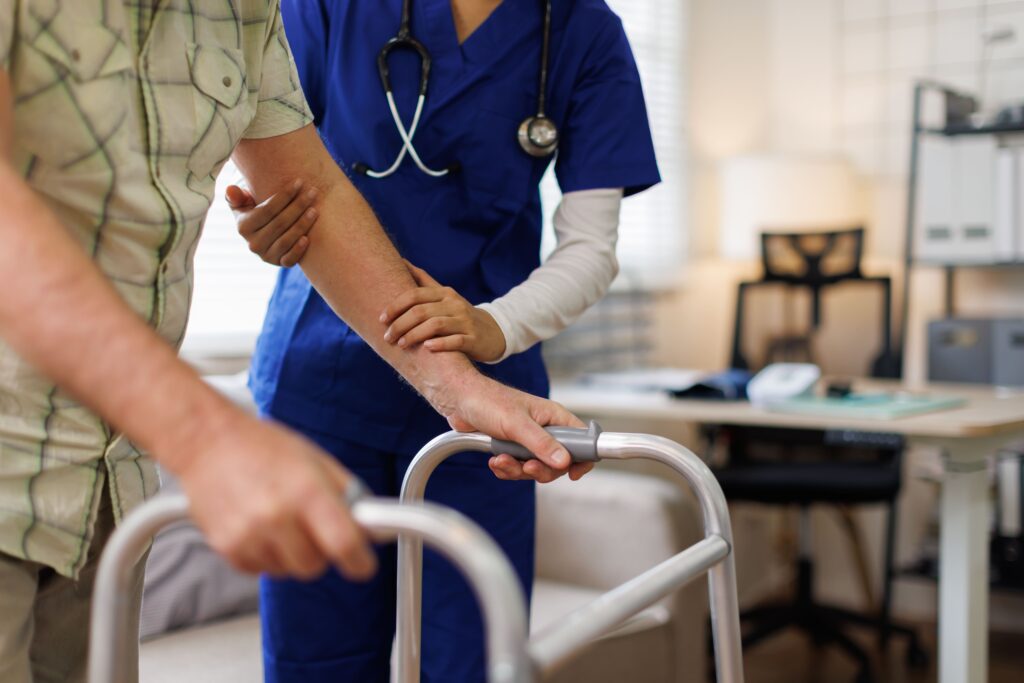
Central to extended care is regaining independence through ADLs (Activities of Daily Living), such as eating, showering, dressing and moving safely around the room. Each activity is an opportunity for the patient to practice and reclaim autonomy. Nurses and rehab staff work hand-in-hand to encourage participation rather than doing tasks for the patient.
The Role of Nurses
Nurses in extended care serve a unique and multifaceted role. In acute hospitals, they handle vital signs, medication, wound care, and other essential clinical tasks. In a sub-acute or rehabilitation setting, their responsibilities extend far beyond that.
Bavani explains, “In our rehab wards, nurses are the heart and soul of recovery. They support patients through every step of rehabilitation. For instance, if a patient learns to turn in bed for the first time, the nurse reinforces that skill repeatedly: ‘Jom, kita cuba je!’ They gradually reduce assistance as the patient practices, moving from maximum help to supervision only.”
The goal isn’t to do things for the patient, but to empower them to do it themselves. Nurses guide, encourage, and ensure safety, helping patients practice essential daily skills while adapting to each individual’s unique recovery needs.
Collaboration with Therapists
Nurses work with therapists to ensure that progress in therapy translates to independence in daily life. Every patient’s path is different—neurological deficits vary, and no two fractures or strokes are the same. Nurses are trained to handle these differences, helping patients regain mobility safely.
The Transition to Extended Care
Bavani explains how the process usually unfolds:
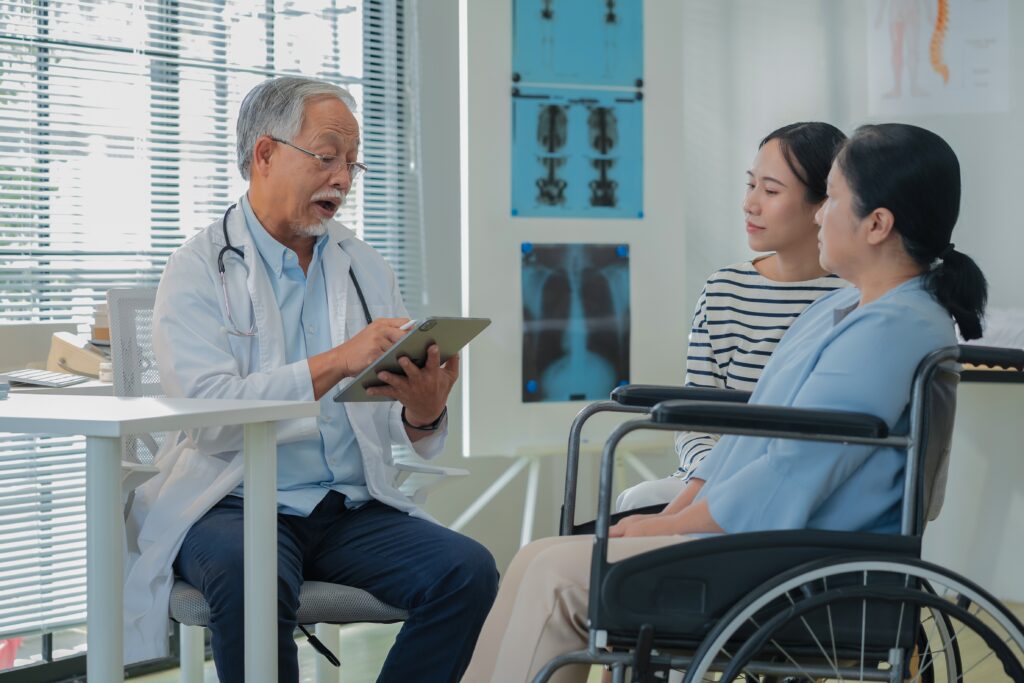
“When doctors are aware of our services, they’ll channel patients to us. Families come in, and we meet them to explain what we can offer and what’s realistic given their needs and constraints. Once everything is sorted, we coordinate transport—whether by car or ambulance—and the rooms and staff are ready. It’s seamless on our side, but the process can still take two to three hours, similar to admissions or discharges at any hospital.”
The Role of Families
Families are integral to extended care—not just for emotional support, but for practical and financial considerations. Bavani emphasizes that planning should start early, ideally before hospital discharge. “For neurological patients, the acute hospital should highlight the need for support, perhaps even provide brochures listing care options. Orthopedic cases vary depending on the surgery and expected recovery, but doctors should guide families early, not at the last minute.”
Extended care is flexible to suit family needs. “Some families only need short-term help to prevent burnout or physical strain. Others stay longer to ensure the patient is fully independent before going home. We incorporate families into carer training, sometimes including home help, teaching them how to manage daily activities safely. The family decides the pace of discharge; we never dictate it. Our job is to keep them informed, confident, and prepared.”
Bavani emphasises that families are empowered to make informed decisions throughout the recovery journey. “We monitor the patient week by week, provide updates, and show videos of their progress. Families can then decide: do we continue the inpatient program or move on? We never impose a timeline or dictate discharge.”
The philosophy is clear: recovery is a partnership. Goals may differ between therapists and families, and ongoing communication ensures that both expectations and limitations are understood. “We try to help everyone, but we acknowledge there are limitations. If you don’t try, you’ll never know what’s possible,” she adds.

Cultural Expectations
While extended care is critical for recovery, families often face multiple barriers in deciding whether a patient should transition from acute care to a rehab facility. “In our society, there’s a strong cultural expectation to look after your loved ones,” Bavani explains. “Whether it’s your parents or spouse, the underlying thought is: if you don’t care for me, you don’t love me.”
Awareness is another challenge. Many families don’t realise that stepping into an extended care facility is not abandonment, but a form of providing the patient with better recovery options. “You’re not neglecting them; you’re giving them a structured environment to regain independence safely,” she says.
Financial constraints also play a role. Insurance rarely covers step-down or sub-acute care, and cost considerations can weigh heavily on families. Yet, Bavani notes that the model itself is based on internationally accepted practices: patients first recover in an acute hospital, then step down to a rehab facility before returning home. In Malaysia, government hospitals do provide rehab wards, but accessibility and waiting lists limit options. “Some patients even come to us in the interim while waiting for government rehab beds,” she adds.
Measuring Success
Assessment begins on day one. Every patient undergoes baseline evaluations to measure physical function, muscle strength, balance, mobility, and risk of falls. “We use the same set of tools throughout the patient’s stay,” Bavani explains. “As we reassess, scores indicate which areas still need attention and guide the therapists in tailoring the rehab program.”
Importantly, success is measured in two ways: the patient’s progress toward independence, and the family’s goals. “Not everyone can stay for the entire recovery process, so meeting the family’s realistic goals is as important as maximizing the patient’s recovery,” she says. Managing expectations is an ongoing conversation: therapists provide guidance on what’s medically possible, while families bring their own hopes and limitations.
Bavani emphasises communication: families are kept updated on milestones, progress, and any challenges. Weekend or day visits home are encouraged to test confidence and readiness.
Extending Care, at Home
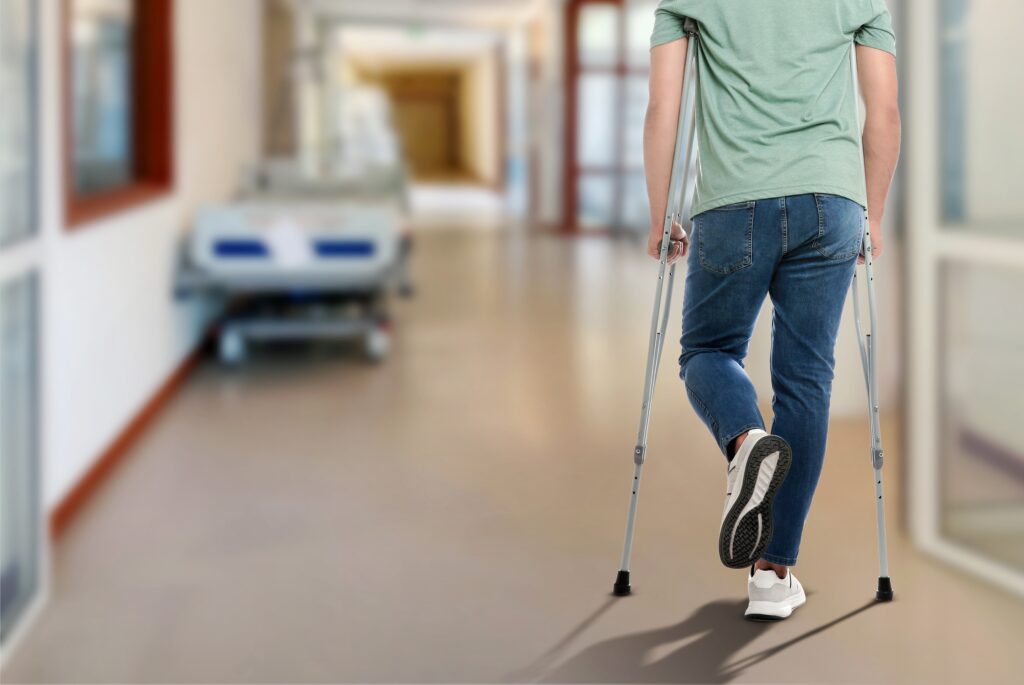
Recovery doesn’t end at discharge. Bavani stresses that patients must maintain both physical and mental exercises at home or through outpatient rehab. “Even if a patient completes five days of inpatient care, that progress may otherwise take two months on an outpatient basis. Consistency is key, and families need to integrate rehab into daily life.”
Extended care provides a faster, more structured pathway, but patients and families must actively participate to maximise outcomes. The combination of professional guidance, structured support, and patient commitment is what truly defines success.