Numerous brain supplements with claims to “improve concentration” or “sharpen memory” are available in the market. It is always advisable to pause and reflect on whether these assertions are supported by solid evidence or not.
Most often, parents are always eager to purchase supplements for their kids’ brain health. However, many people are unaware of the crucial factors to consider before buying supplements that aim to enhance brain health. We’ve invited community pharmacist, Nur Syafa Addina from Farmasi Ideal Kota Pendamar for additional insights on this subject.
1Twenty80: Do supplements enhance memories and help sharpen one’s focus?
Nur Syafa Addina: Yes, they do. Although there are very limited evidence-based studies on the use of supplements for brain memories and brain health, we cannot disregard the positive outcomes they have given to certain memory-loss populations such as Alzheimer’s and dementia patients.
One study published in The Lancet Neurology in 2012, for example, found that among 2,854 older adults with memory complaints, those who took Ginkgo biloba extract twice a day for five years had no fewer cases of Alzheimer’s than those who took a placebo.
1Twenty80: Are there any supplements that help with mental alertness?
Nur Syafa: Nootropics are natural supplements or drugs that have a beneficial effect on brain function in healthy people.
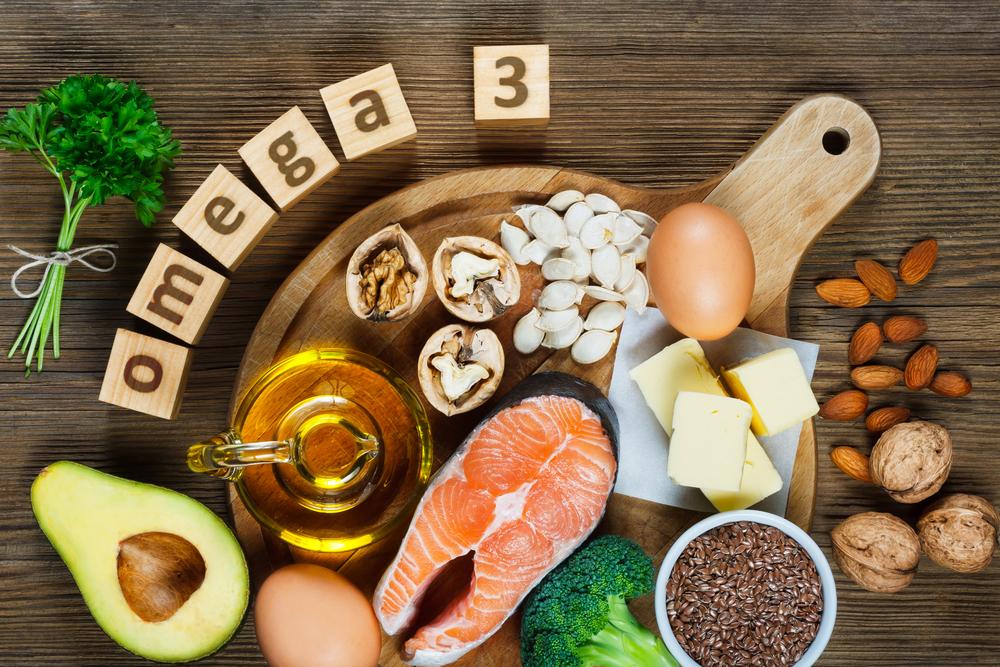
Nootropics are proven to boost memory, motivation, creativity, alertness, and general cognitive function. Nootropics may also reduce age-related declines in brain function. Some examples of Nootropics include omega-3, ginkgo biloba, caffeine, and resveratrol.
Supplements can be beneficial to brain health, but there are still many studies that need to be carried out to support this.
Nur Syafa Addina
1Twenty80: Is there a tangible link between supplements and improved brain health? If so, in what ways do supplements help improve brain health?
Nur Syafa: There is not enough evidence to support this claim. Supplements can be beneficial to brain health, but there are still many studies that need to be carried out to support this. If the claims of a nutritional supplement sound too good to be true, they probably are. Be wary of supplements that claim to boost brain health or memory, make you smarter, or cures an illness.
1Twenty80: What are the supplements that help with cognitive function?
Nur Syafa: There is a lot to list down, but the best one would be Citicoline. Citicoline works by increasing brain energy, protecting the brain from damage, and increasing acetylcholine. Citicoline is one of the few supplements that are powerful enough to treat serious neurological disorders, including:
- Age-related memory loss
- Brain injury
- Parkinson’s disease
- Stroke
- Dementia
- Alzheimer’s disease
When looking for Citicoline supplements, you may come across some that contain Cognizin. A daily dose of 1,000 to 2,000 mg of Citicoline is recommended for cognitive enhancement. Ginkgo biloba is another underappreciated vitamin that has been found to improve brain health.
A 2015 systematic review and meta-analysis involving 2,561 participants concluded that Ginkgo biloba EGb-761 at 240 mg/day stabilised or slowed the decline in cognition, function, behaviour, and global change in cognitive impairment and dementia at 22 to 26 weeks, particularly for people with neuropsychiatric symptoms.

1Twenty80: What claims should consumers be wary of when buying brain health supplements?
Nur Syafa: When a supplement guarantees an outcome within days, then you know it’s a scam. Be wary of products marketed as dietary supplements that have drug-like claims or promise unrealistic results.
Before taking any nutritional supplements designed specifically to improve memory or thinking skills, it’s good advice to discuss them with your health provider. There may be cautions and warnings relating to specific health conditions on the label, and it is possible that some nutritional supplements when taken in large doses may interact with dedications that are already being taken – so it is better to check in the first instance.
1Twenty80: Are there lifestyle changes we can make to improve our brain health?
Nur Syafa: Perform a brain workout. Improving reasoning and memory abilities, such as learning a new language, may help delay or halt deterioration. A 10-year study discovered that such training (rather than digital “brain games”) can improve cognitive processing speed and reasoning ability.

Work out your body. In 2011, one study projected that a sedentary lifestyle was responsible for one million cases of Alzheimer’s disease in the United States. Physical activity, such as walking, weightlifting, yoga, or tai chi, has been shown in several trials to delay or decrease cognitive decline but not prevent it.
Control your blood pressure. Lowering blood pressure lowers the chance of heart disease and stroke, both of which are risk factors for memory loss.
1Twenty80: What are some of the important components that we should include in our diet to support brain health as we age?
Nur Syafa: Below you will find the type of diets that use all foods that have a brain-boosting effect.
- Mediterranean Diets
Vegetables, olive oil, whole grains, and seafood are all part of a Mediterranean diet.

- Zone Diets
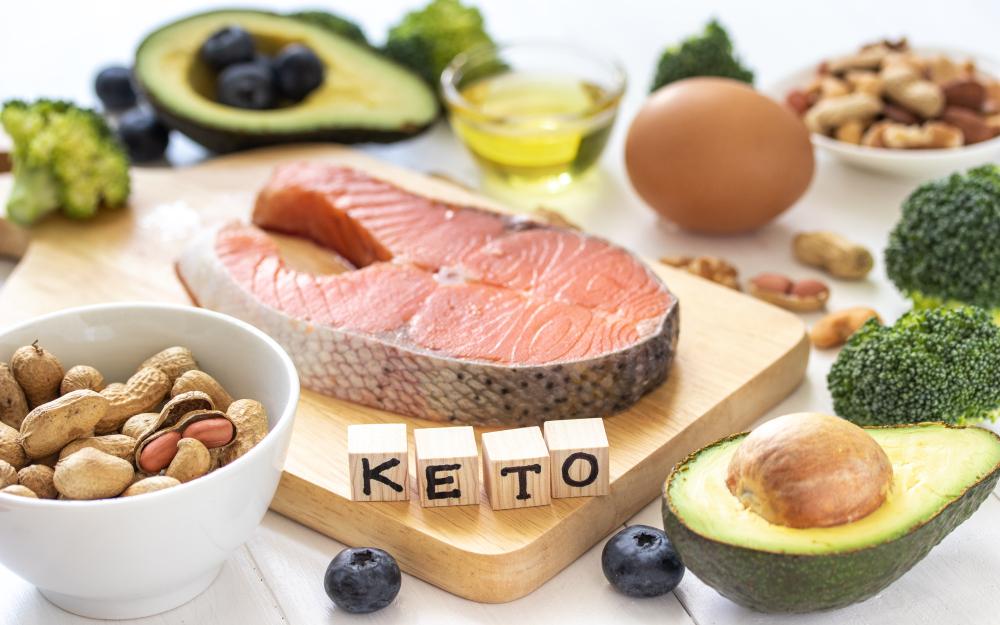
The Zone diet promotes a high intake of avocados, almonds, and olive oil. - Ketogenic Diet
Avocados, almonds, salmon, and olive oil are all abundant in the Ketogenic diet.
- Vegetarian
Many vegetarian diets permit the ingestion of fish and eggs in addition to vegetables, berries, and nuts. - Miami Beach
Fish, nuts, veggies, and avocados are permitted on the South Beach diet. Include these foods in your meals for an entrée of health benefits with a side of mental power.

1Twenty80: Does lack of sleep affect the health of our brain? If so, how?

Nur Syafa: Many research has found that inadequate sleep is linked to cognitive difficulties. It is critical to obtain enough sleep.
In reality, many individuals need 8 hours or more of sleep to replenish. However, it is not only the amount of sleep that is significant. Sleep quality is also important. If you suspect you are having difficulty sleeping, you should consult with your physician and arrange for a sleep study.
1Twenty80: Is there a link between heart health and brain health?
Nur Syafa: An increasing amount of research reveals a direct relationship between heart and brain health.
The brain is fed by one of the most extensive networks of blood arteries in the body. The heart pumps 20 to 25 percent of the blood to the skull with each beat, and brain cells require at least 20 percent of the food and oxygen carried by the blood to function normally. As a result, many things that harm the heart or blood arteries may also harm the brain, increasing the risk of Alzheimer’s and other dementias.
If something sounds too good to be true, it probably is, is a general rule of thumb when it comes to supplements and brain health. Be on the lookout for overpromising claims and consult with a professional such as your community pharmacist or physician to obtain reliable information.