In diabetic wound care, even minor cuts and blisters can lead to serious complications. A doctor explains what many people don’t realise.
We’ve all heard that for people with diabetes, even a small scratch can turn into something serious. And it’s not just because wounds take longer to heal—there’s a lot more going on beneath the surface.
That’s why we spoke to Dr Sivananthan Rajaandra, owner and founder of Klinik Prima Velox. He spends much of his time treating chronic conditions like kidney disease and diabetes, and diabetic wound care is one of the clinic’s main areas of focus. Today, he helps us understand why wound care matters so much for people living with diabetes.
1Twenty80: What exactly is diabetic wound care?
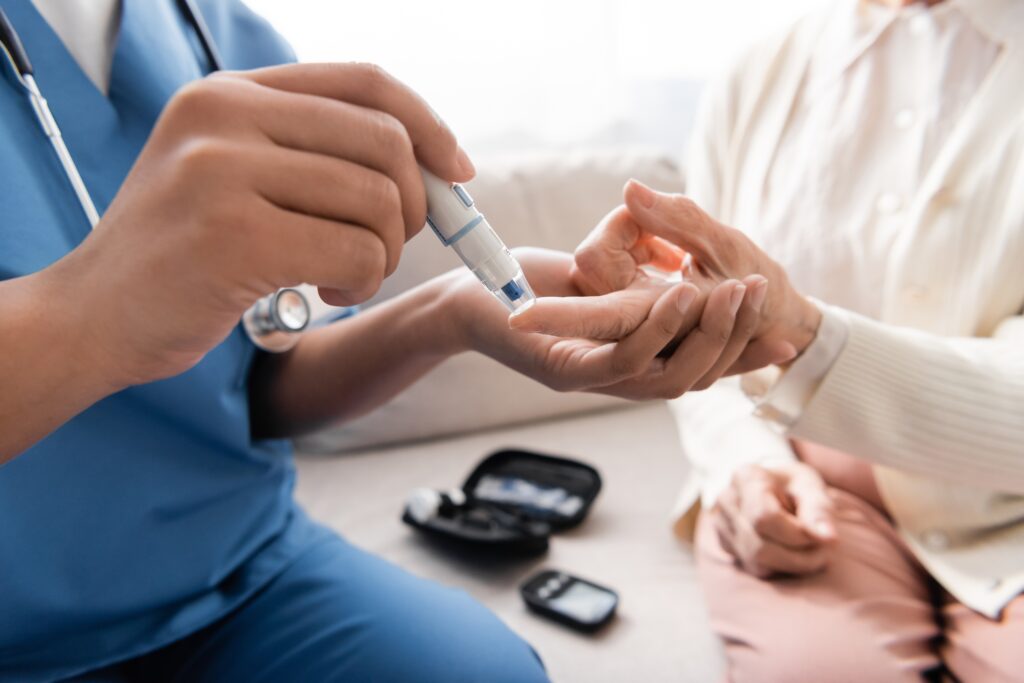
Dr Sivananthan: Diabetic wound care refers to the specialised management and treatment of wounds in people with diabetes. People with diabetes are more prone to skin injuries, ulcers, and infections. This is usually due to a combination of factors:
- High blood glucose
- Poor circulation
- Nerve damage
Wound care in this context isn’t just about cleaning and dressing a cut. We have to carefully monitor the wound, prevent infections, support proper healing, and address the underlying causes. It often involves a multidisciplinary approach and takes a lot of time.
1Twenty80: Why is wound care especially important for people with diabetes? Is it true that wounds tend to heal more slowly for them?
Dr Siva: Absolutely. In people with diabetes, wounds generally heal slower for multiple reasons:
- High blood glucose can impair immune function, making it harder to fight infections.
- Diabetes also damages blood vessels, reducing blood flow to the wound, which slows the delivery of oxygen and nutrients essential for healing.
- Nerve damage can reduce sensation, so patients may not notice injuries early on. By the time they do, the wounds are often more severe and take much longer to heal.
For example, we commonly see patients whose toes have fallen off because they didn’t notice an injury for weeks or months. That’s a very common presentation.
1Twenty80: Aside from the patient themselves, who else should really be paying attention to this – caregivers, family members? Why?
Dr Siva: Family members and caregivers play a very important role. Sometimes patients may not notice their wounds worsening, especially on areas they cannot see, like the bottoms of their feet. Family members should check for small cuts, bruises, or blisters. For elderly patients, regular inspection of feet, hands, and other high-risk areas is crucial. Caregivers should also watch for other signs of infection, such as fluctuating blood sugar, difficulty walking, or unusual smells. These observations can indicate that something is wrong.
1Twenty80: What are the implications when diabetic wound care isn’t prioritised?
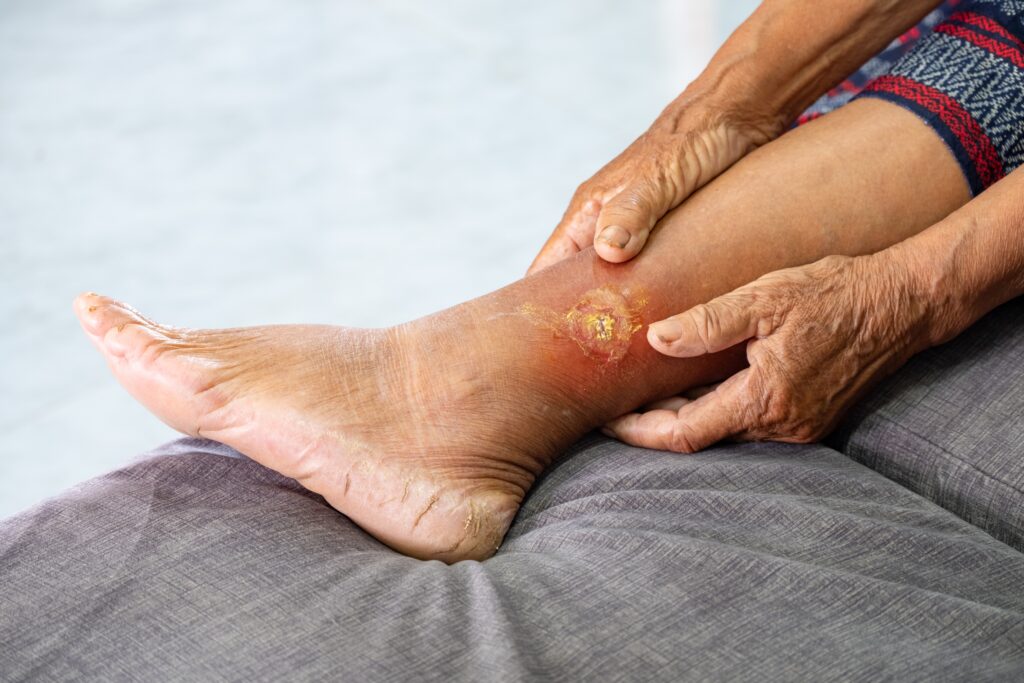
Dr Siva: If diabetic wound care is neglected, minor cuts or blisters can become infected and develop into chronic ulcers. Because of poor blood supply and nerve damage, these wounds may not respond to standard dressings or antibiotics. This can lead to gangrene (tissue turning black) which may require amputation. Beyond the wound itself, serious complications can arise, such as sepsis or kidney damage. Chronic wounds also impact daily routines, physical abilities, and mental health.
1Twenty80: Are there specific parts of the body that people with diabetes need to pay extra attention to when it comes to wounds?
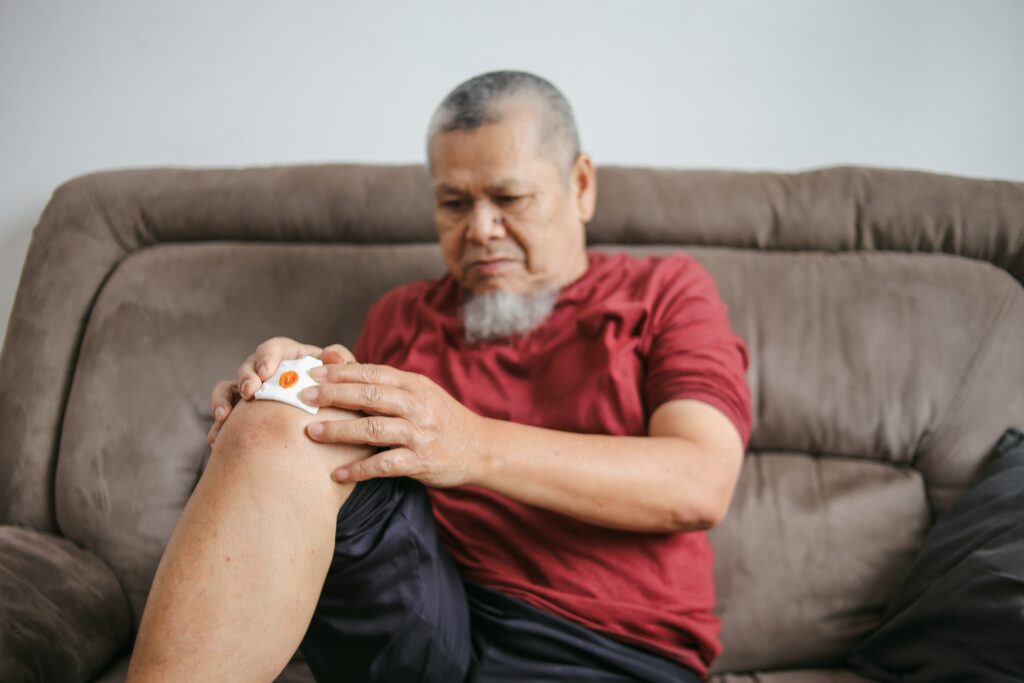
Dr Siva: The most critical areas are the feet, hands, and pressure points like elbows, knees, and the lower back. Feet are particularly vulnerable due to reduced sensation and increased pressure from walking. Ill-fitting shoes or walking barefoot can make things worse. Even minor injuries—small cuts, cracks, or blisters—can quickly become serious. That’s why regular foot examinations are so important.
1Twenty80: What are warning signs that a wound isn’t healing properly and shouldn’t be ignored?
Dr Siva: Warning signs include persistent redness, swelling, warmth, unusual discharge, or foul odour. Unfortunately, these signs are often late-stage indicators. Blackened tissue or failure to heal over months is definitely serious. Pain is usually unreliable because many patients don’t feel it due to nerve damage. That’s why caregivers and family members are crucial in noticing these signs and advising patients.
1Twenty80: What about blisters—are they something people with diabetes should take seriously?
Dr Siva: Yes, even small blisters are high-risk for people with diabetes. Reduced sensation means they may not notice a blister, which can persist and become infected. The infection can spread deeper, eventually developing into ulcers and, in severe cases, leading to amputations.
1Twenty80: Are there preventive measures to avoid serious diabetic wounds from developing?
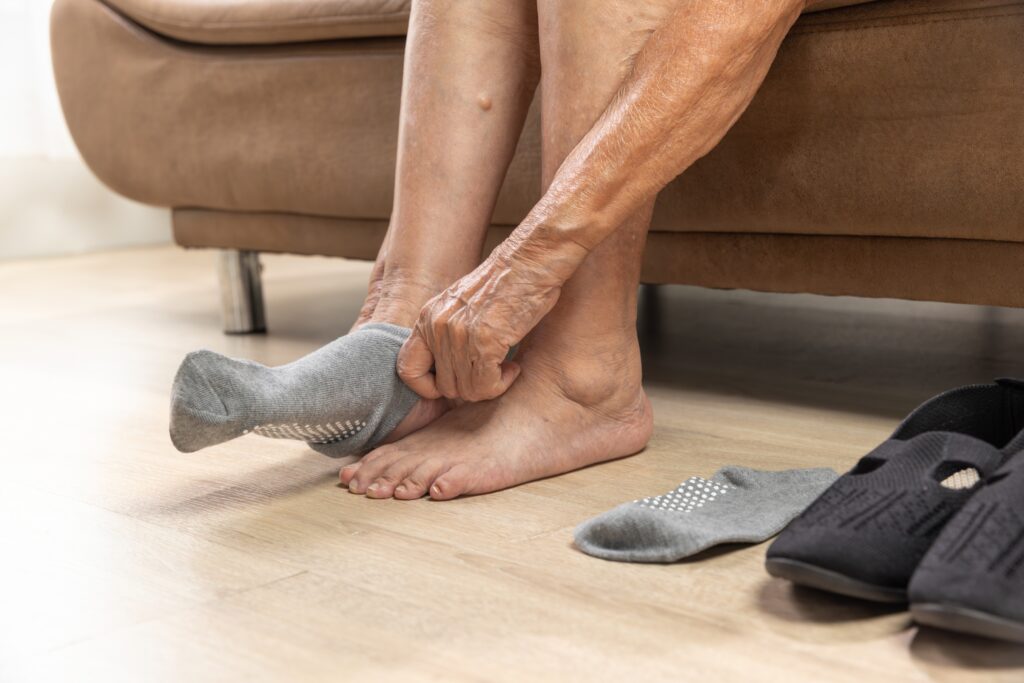
Dr Siva: The most important thing is controlling blood sugar. Well-managed blood sugar improves healing and reduces the risk of chronic wounds. Patients should also wear proper footwear—even indoors—to avoid accidental injuries from furniture, nails, or other household items.
In addition, daily care is essential and should include:
- Inspecting your feet carefully
- Removing dead skin and preventing cracks
- Keeping the skin clean
- Promptly addressing any minor injuries
1Twenty80: Are natural or home remedies safe for diabetic wounds?
Dr Siva: Many home remedies like honey, aloe vera, or turmeric have antimicrobial and anti-inflammatory properties, and can help some wounds inhealthy individuals. However, diabetic wounds are often complex, involving multiple factors and organisms. Relying solely on home remedies can delay proper care and worsen infections. They can be used as adjuncts under medical supervision, but should not replace professional wound care.
1Twenty80: Is it routine for diabetics to visit the clinic every month for wound checks?
Dr Siva: Not every month. We generally do a six-month assessment for nerve damage. Checking for wounds every six months isn’t practical; daily self-inspection is key. Coming to the clinic every day would be impractical and costly too.
1Twenty80: What is your final advice about diabetic wound care?
Dr Siva: The main message is early detection, consistent care, and medical supervision. Patients and caregivers should never ignore even minor injuries. It’s not just about a small wound, it’s about the whole person, preventing complications, preserving mobility, and improving quality of life.