A story about how early intervention in hearing loss can rewrite a child’s future
From the outside, Uzair Rom appears as an ordinary man with a career, a family and a warm personality. But his life began in a world many of us never experience; a world without sound.
He lost his hearing long before he even understood the world around him, not at six years old when he was first diagnosed. The signs were subtle, easy to miss and the truth only became clear years later. Uzair’s journey significantly changed at the age of 11, when he received his first cochlear implant. For over two decades, the implant supported him through school, work and the milestones of early adulthood. Only five years ago did he receive his second implant after he joined Cochlear Malaysia in 2017.
Uzair’s story is remarkable not only due to the late discovery of his hearing loss, but the perseverance that carried him through it. The silent years of his childhood, and the gradual adjustment to hearing technology all shaped the person he is today. His hearing loss does not define him, but it surely has built the resilience that guides him today.
In this interview, Uzair reflects on the challenges of his early years, the technology and support that helped him reclaim the sound, and how he now helps others do the same.
1Twenty80: You shared that you were misdiagnosed as a child and only later found out you had severe hearing loss. How different do you think your journey would’ve been if it was detected earlier?
Uzair: My whole entire life would be different. I would have been able to access earlier intervention, which would have resulted in better outcomes. My communication would be better, and so would my confidence as I grow up. Early interventions are very important because they allow someone to access more opportunities, like learning multiple languages at a very young age. When someone has access to early intervention, they become stronger in communication, and it also leads to better results in school.

1Twenty80: What are some early signs of hearing issues that parents tend to overlook?
Uzair: Most parents tend to overlook early signs of hearing issues because they mistakenly think it is a behavioural problem, such as the child being very naughty or stubborn. Early signs of hearing issues are often very subtle, such as repeatedly asking ‘What?’ even when you’re speaking at a normal volume, or relying on hand gestures to understand what’s being said. These could be red flags parents should pay closer attention to.
1Twenty80: What do you think are the biggest misconceptions Malaysians still have about people with hearing loss?
Uzair: One of the biggest misconceptions is that hearing loss only happens to the elderly; however, hearing loss can also occur due to illnesses such as high fever. The second misconception is that people assume cochlear implants work overnight, but it doesn’t work that way. Having a cochlear implant is a whole journey that involves speech therapy, adaptation, and continuous support. Lastly, people often assume that hearing loss is equal to low intelligence, which is completely untrue.
1Twenty80: Hearing is still not seen as essential healthcare. Why do you think hearing loss isn’t treated with the same urgency as chronic conditions like diabetes or heart disease?
Uzair: From my point of view, hearing loss doesn’t have obvious symptoms and is often seen as invisible. Many people assume it simply means ‘not hearing well’, but what they don’t realise is that it affects many aspects of life, including language development, relationships with loved ones, and even employment. Because hearing loss is not life-threatening, it often gets deprioritised. However, it has long-term effects on mental health. When you can’t hear, you may feel outcast, and this can significantly impact your emotional well-being.

1Twenty80: What emotional challenges did you wish people understood better?
Uzair: Thinking back to my younger self, the struggle was real. During conversations, I often couldn’t keep up, so I started to feel isolated. People assumed I was shy or introverted, but in reality, I was just exhausted. I didn’t want to interrupt or break the flow of others having fun. That emotional impact is one of the biggest challenges for us. I hope people understand that they can help by making us feel included and emotionally supported in conversations.

1Twenty80: What can families do to support children or teenagers who are struggling like you once did?
Uzair: Include us in the conversation and be patient. Emotional support is very important. Yes, we do have advancements such as cochlear implants but that doesn’t mean we can instantly understand everything. Sometimes when people speak too fast or have strong accents, it becomes harder for us. We just need a little time to catch up. Support truly matters. My mom trained me differently—-she trained me not to rely on my lip-reading skills. It was tough, but now I can listen without relying on lip reading. Not everyone gets that kind of training at home, and that is why proper support and training make a very big difference.
1Twenty80: You’re now working in a place where you help build the same technology that changed your life. How does your personal experience influence the way you do your job?
Uzair: For me, it is the purpose. Every time I manage a project, it’s not just a task but a chance to change people’s lives. I have worked with Cochlear for more than eight years, soon going on nine, and I still come in with the same passion every single day. Even with various things happening at work, that’s just part of life. Directly or indirectly, I feel like I’m changing people’s lives.

1Twenty80: A lot of people still think cochlear implants are experimental or risky. What would you say to that?
Uzair: Everything is risky anyway, and the biggest risk isn’t the cochlear implant itself but delayed intervention. Cochlear implants have been around for decades and backed by science so we know it works. The longer you wait, the harder it is for the brain to learn speech and listening pathways. I once met a family in Brunei after giving a talk. Their son was 21 years old and had access to all the same technology that I had, but because of lack of rehabilitation and proper guidance on speech therapy, he still struggled to communicate. So it wasn’t the devices holding him back. Earlier intervention would’ve really made a huge difference. My mom understood this early on. To her, even a small improvement would’ve been better than doing nothing, as long as it meant her son’s got a chance at a better future. In the end, the implant turned out to be far more than a small improvement, as it changed everything for me.
1Twenty80: Why is it still so difficult for Malaysians to get proper hearing care, even though the technology already exists? What are the biggest barriers you see?
Uzair: The most important thing is awareness, especially in rural areas where there is a shortage of trained doctors and ENT specialists who know about cochlear implants. Without proper awareness, many won’t get access to this technology. Hospitals and clinics need to raise awareness that hearing loss is not the end of life. There are solutions available and people need to know that.
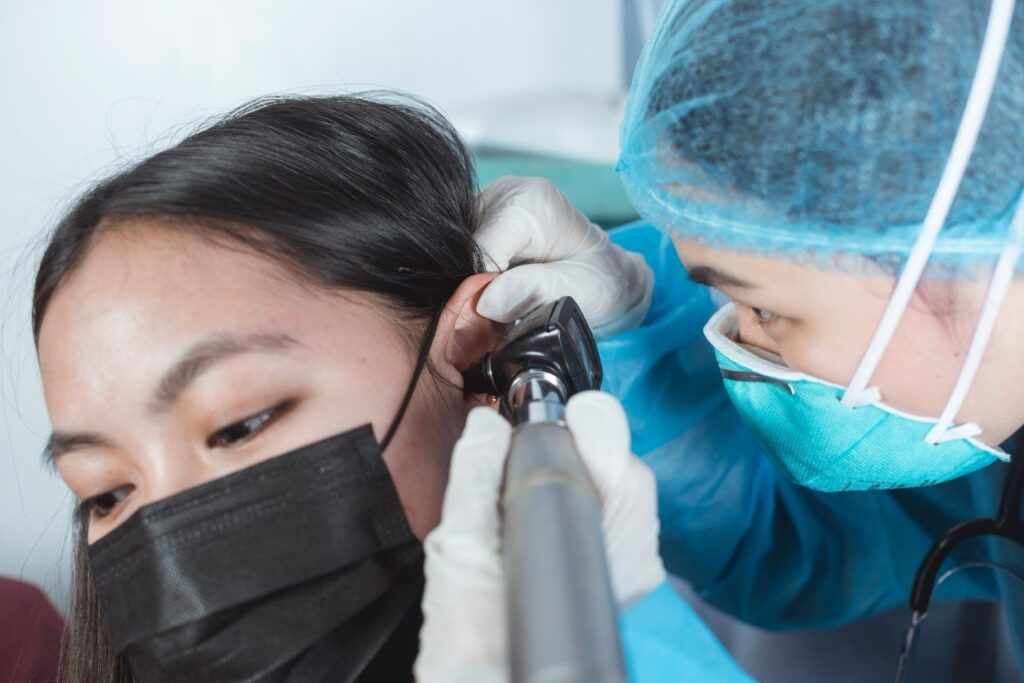
1Twenty80: What do you want Malaysians to understand about hearing health—something we all take for granted?
Uzair: Hearing is an important part of overall health, just like your eyes, teeth, or other aspects of the body. Many don’t realize how important it is, but hearing connects us to others and shapes our experiences in life. Without it, life can be more difficult. It’s important to take care of your ears, have yearly check-ups to ensure your hearing is at a normal level, and practice preventive care. Hearing health also impacts your mental well-being, so it’s important to protect it.
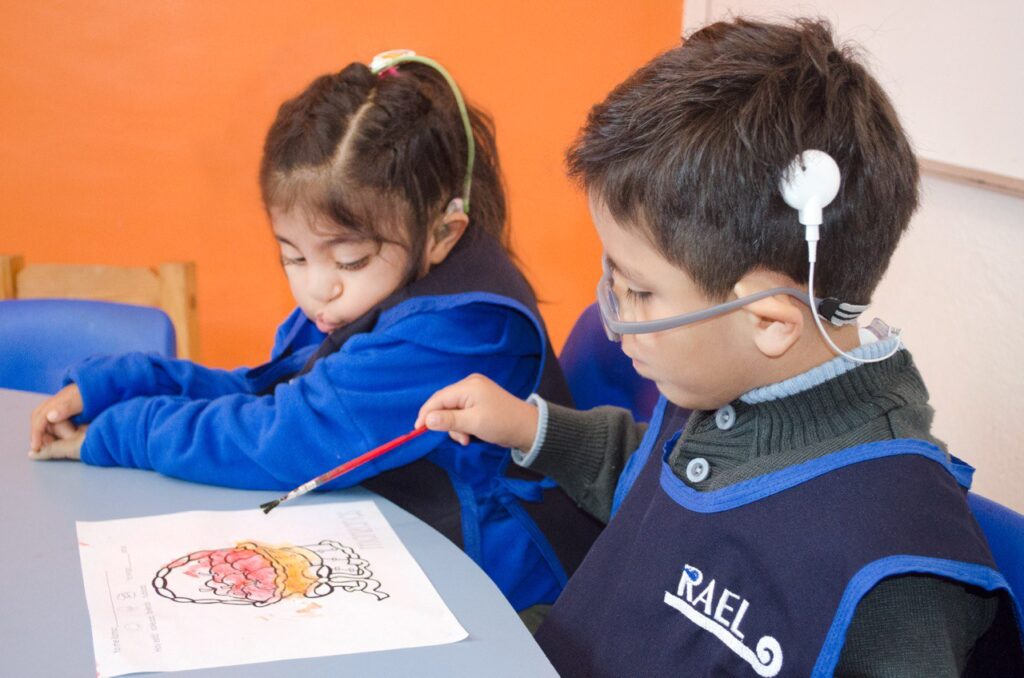
1Twenty80: If you could give a message to anyone currently struggling with hearing loss or feeling alone in it, what would you like to say to them?
Uzair: You are not alone—there is a community that will support you. Don’t be afraid to pursue what you want to do. A simple message has kept me going and confident until today: whatever you do, right or wrong, people will always talk bad. So don’t worry about what others think. Focus on yourself and on giving back to society.
My mother used to tell me, and still does, “Uzair, ignore them. One day you’ll be on top. God has a better plan for you.” That’s why I decided to change myself, to go to school, and to not let what people say or do affect me.